
Is a Service Dog the Same as a Therapy Dog?
Many people use the terms service dog, therapy dog, and emotional support dog interchangeably, but they serve very different purposes and have different training standards and legal rights. Understanding these differences can help you determine which type of support animal best meets your needs.
Service Dogs
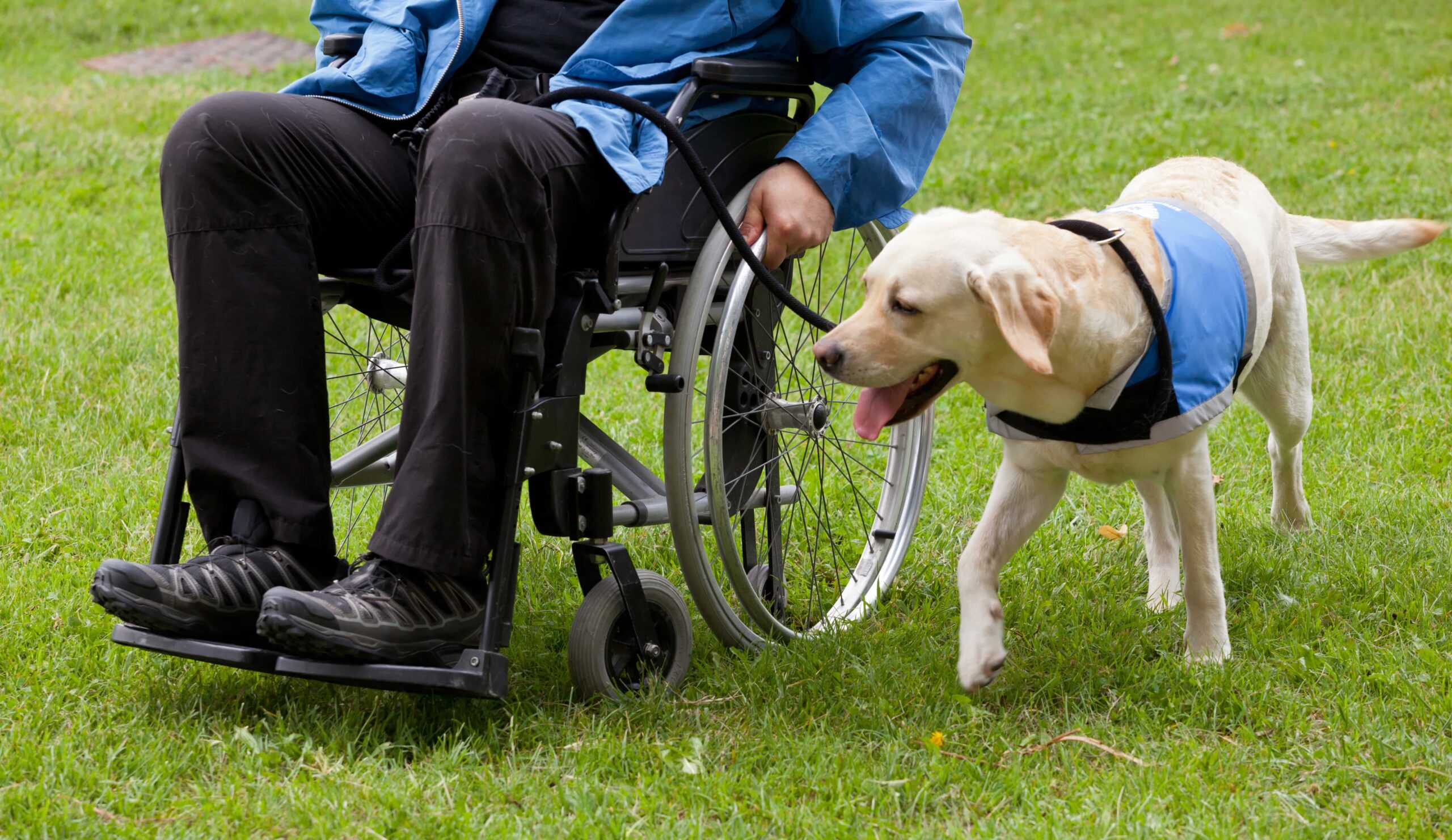
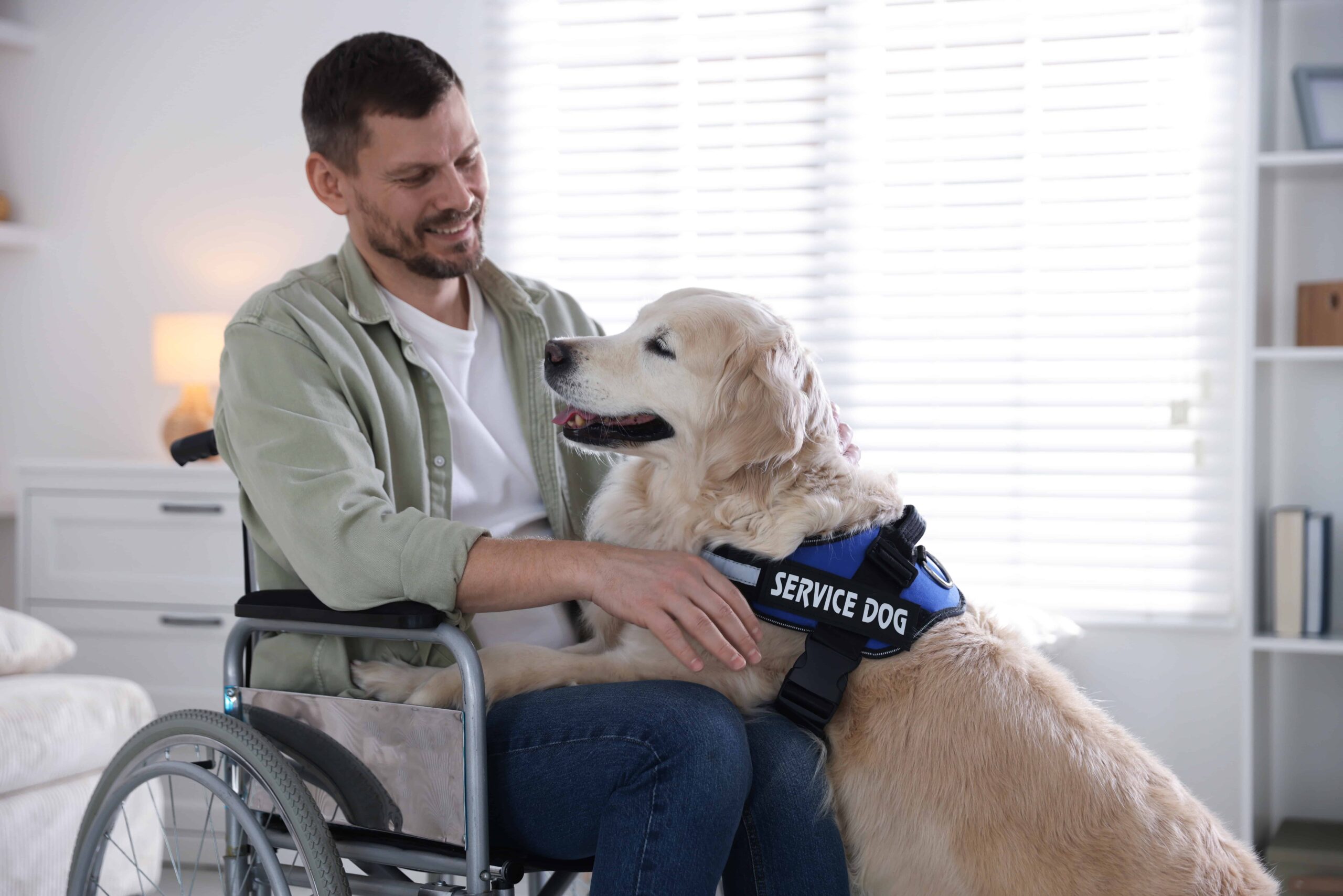
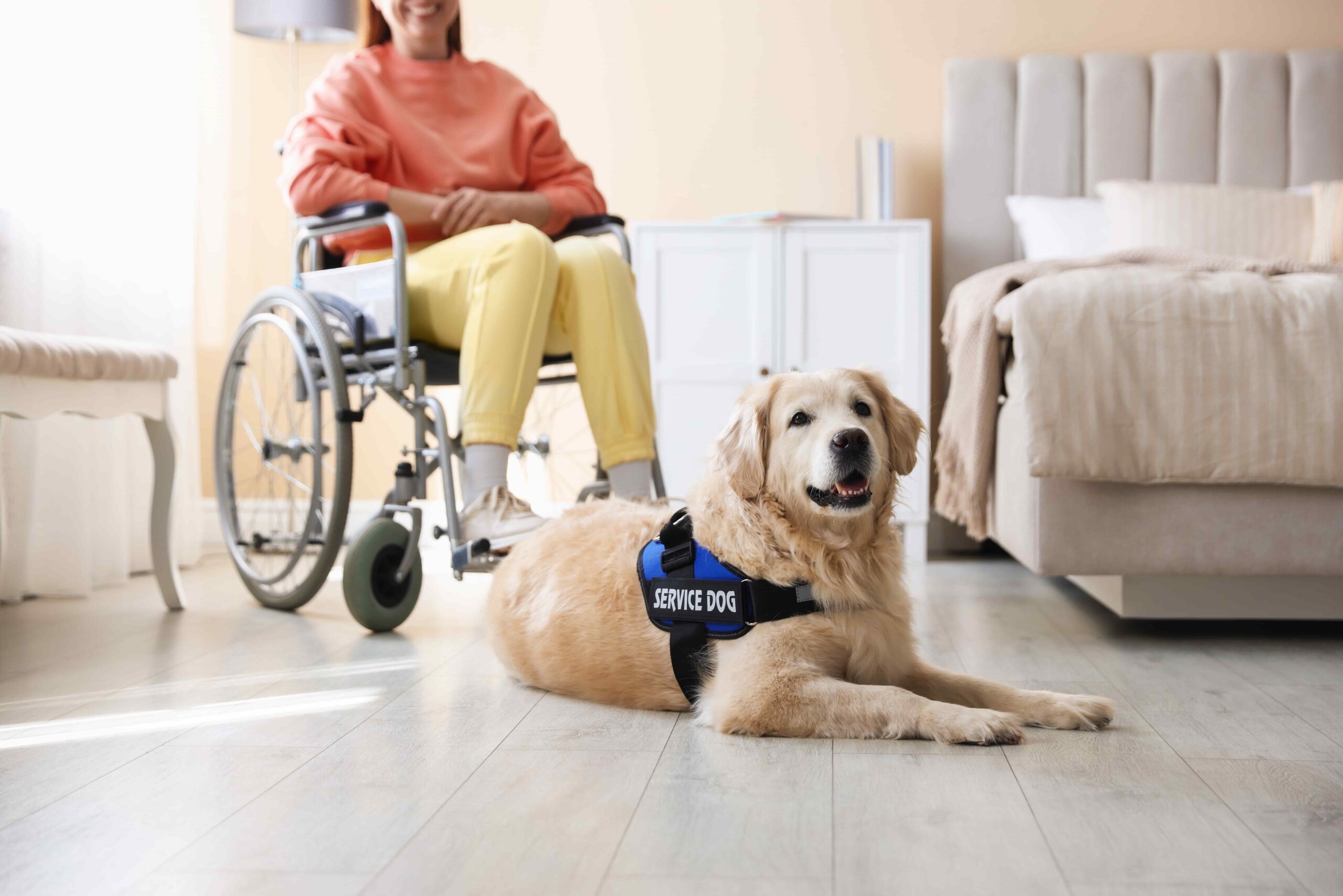
Service dogs are individually trained to assist people with physical, psychiatric, sensory, neurological, or other disabilities. These highly skilled dogs perform specific tasks that directly mitigate their handler’s disability, helping them live more safely and independently.
Examples of service dog tasks include:
- Guiding individuals who are visually impaired
- Alerting to seizures or other medical events
- Assisting with mobility and balance
- Interrupting anxiety, panic attacks, or PTSD-related behaviors
- Retrieving dropped items or opening doors
Because service dogs perform disability-related tasks, they are recognized under applicable laws in Canada and the United States and are generally permitted to accompany their handlers in public places where pets are not allowed.
Therapy Dogs
Therapy dogs are trained to provide comfort, companionship, and emotional support to groups of people in settings such as:
- Hospitals
- Rehabilitation centers
- Nursing homes
- Schools
- Community programs
These dogs help improve emotional well-being and reduce stress through positive interactions. While therapy dogs must be well-behaved and social, they are not trained to perform disability-related tasks for a specific individual. As a result, they do not receive the same legal protections or public access rights as service dogs.
Emotional Support Dogs
Emotional support dogs provide comfort and companionship to individuals experiencing emotional or psychological challenges, such as anxiety, depression, or loneliness. Their presence can be calming and beneficial to their owner’s well-being.
Unlike service dogs, emotional support dogs are not individually trained to perform disability-related tasks. Their legal protections are generally more limited and vary depending on the jurisdiction.
Choosing the Right Support Dog
At All Access Training, we help individuals understand the differences between service dogs, therapy dogs, and emotional support dogs while providing professional training programs tailored to their goals. Whether you’re seeking greater independence, emotional support, or a dog that can positively impact your community, we’re here to help guide you every step of the way.